
September 1, 2026
How Tariffs Drive Up Grocery Prices (and How to Protect Your Household Budget)
By Taylor Brannon
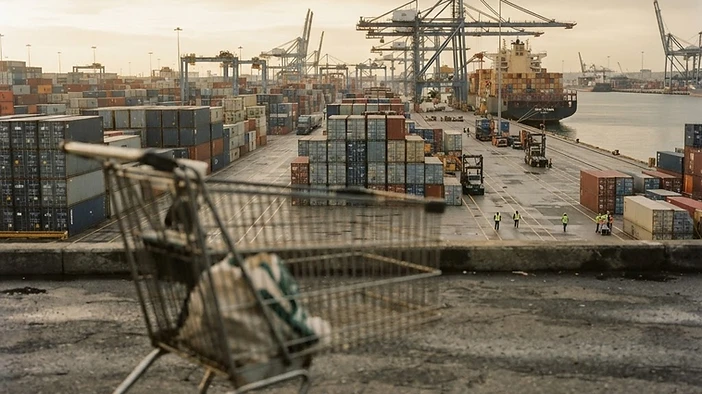
When governments impose tariffs on imported goods, the bill doesn't stop at the border — it lands in your grocery cart. This guide breaks down exactly how tariffs drive up food prices and gives you practical, no-nonsense swaps to protect your household budget.
The Anatomy of a Tariff
When governments impose tariffs on imported goods, those costs don't stay at the border — they travel all the way to your grocery store. Importers pay the tariff, raise their wholesale prices to cover it, and supermarkets pass that increase directly to shoppers. A 25% tariff on imported food can mean a 10-15% price increase on the shelf, depending on the product and supply chain.
Top 10 Grocery Staples Most Vulnerable to Tariffs
Not every item in your cart is equally at risk. These categories are most exposed to tariff-driven price spikes:
- Coffee (90%+ imported)
- Olive oil (95%+ imported)
- Seafood and shrimp (70%+ imported)
- Imported cheeses and specialty dairy
- Canned goods from foreign suppliers
- Fresh produce from Mexico and South America (avocados, bananas, berries)
- Spices and seasonings
- Wine and imported beverages
- Chocolate and cocoa products
- Canned tuna and imported fish
Domestic vs. Foreign Sourcing: How to Read Labels
Learning to read grocery labels for country of origin is your first line of defense. Look for "Product of USA" labels, check PLU codes on produce, and compare store brand vs. name brand sourcing. Domestic store brands are often 20-40% cheaper and source from US suppliers.
Preemptive Pantry Swaps
Replace high-risk imported items with affordable domestic alternatives:
- Swap imported olive oil for domestic canola or vegetable oil for everyday cooking
- Replace imported coffee with domestically roasted alternatives
- Choose frozen domestic seafood over fresh imported
- Buy seasonal domestic produce instead of out-of-season imports
The 5-Minute Grocery Receipt Origin Audit
Take your most recent grocery receipt and spend 5 minutes marking each item as "domestic" or "imported." Total up the imported items — that's your tariff exposure. Any item over $5 that's imported is a candidate for a domestic swap. This simple audit reveals exactly where your budget is most vulnerable to tariff-driven price increases.
Ready for the Full Playbook?
This article covers the basics, but Surviving the Tariff Wars includes the complete 30-day tariff-defense pantry blueprint with exact food replacement lists, long-term storage benchmarks, and supplier networks. Get the full guide for just $14.95 (regularly $39.99).
Ready for the full playbook?
Get Surviving the Tariff Wars and start protecting your household today.
Explore the bookJoin the conversation
Share your thoughts, your own tips, or whatever's on your mind — everyone's welcome to add to the discussion.
Be the first to comment.
Plan. Compare. Save. Repeat.