
September 1, 2026
Shrinkflation Survival Guide: How to Beat Hidden Price Hikes at the Grocery Store
By Taylor Brannon
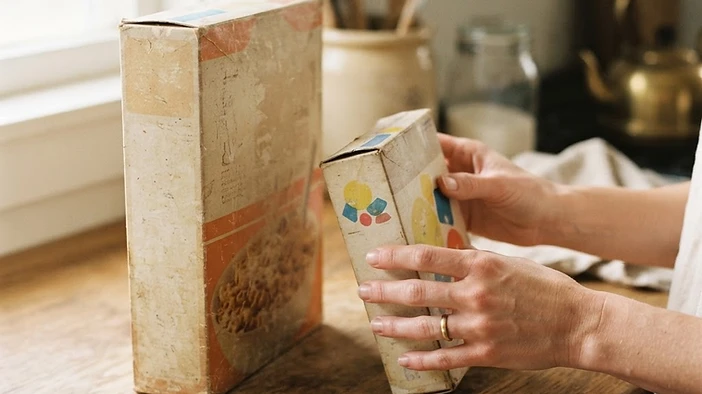
The Case of the Vanishing Ounces
If you have felt like your grocery bags seem a little lighter lately, even though your receipt total remains the same, you aren't imagining things. We are living through a period of intense 'shrinkflation.' Manufacturers are fighting rising costs by quietly reducing the net weight or count of products rather than raising the price tag. It is a psychological trick designed to avoid sticker shock, but it is effectively a hidden tax on your household budget.
Becoming a Price-Per-Unit Detective
To fight back, you have to stop looking at the big, bold price on the shelf and start looking at the fine print. The most powerful tool in your shopping arsenal is the 'unit price' sticker. This is the tiny text, usually located on the bottom-left corner of the shelf tag, that tells you the cost per ounce, pound, or count.
When a company reduces the size of a cereal box but keeps the price the same, the unit price will spike. By ignoring the front of the packaging and focusing strictly on the price per ounce, you strip away the marketing and see exactly what you are paying for the actual product volume. Make it a habit to compare the unit prices of name-brand items against store-brand equivalents. Often, you will find that the 'cheaper' looking name-brand box is actually significantly more expensive per ounce than the generic option sitting right next to it.
Audit Your Pantry Inventory
Many of us fall into the trap of buying 'just in case' items, only to let them sit in the back of the pantry until they expire. Inflation thrives on waste. If you throw away five dollars worth of food every week, you are handing that money right back to the store.
Try a 'bottom-up' shopping approach: before heading to the store, take ten minutes to survey your pantry and freezer. Challenge yourself to build meals around what you already have rather than starting with a shopping list of new items. If you have a half-bag of rice and some frozen vegetables, that is the base for a stir-fry, not a reason to buy more processed sides. By minimizing waste, you effectively give yourself an instant raise on your grocery budget without needing to spend an extra dime.
Prioritize Flexibility Over Brand Loyalty
In the era of tariffs and supply chain instability, brand loyalty is a luxury most households can no longer afford. If your favorite brand of coffee has downsized its packaging by two ounces, that is your signal to look elsewhere. Try the store brand, or look for items that are sold in bulk bins where you pay only for the volume, not for the fancy packaging that is likely contributing to the rising costs. Shopping seasonally also helps; produce that is out of season has to be shipped further and stored longer, driving up the price. When you eat what is currently being harvested locally, you usually get better nutrition at a lower price point.
Your Takeaway
Inflation and shrinkflation are designed to make you complacent. By switching your focus from the total price to the unit price and aggressively cutting down on food waste, you reclaim control over your spending. You don't have to be an economist to win this game; you just have to be a more conscious consumer.
One Small Action for This Week: Before you go grocery shopping this weekend, choose three staple items you buy regularly (like peanut butter, laundry detergent, or canned beans). Record the current price per ounce for your favorite brand. Then, next time you are at the store, check the unit price of the store-brand equivalent. If it is cheaper, make the switch for just those three items. You will likely save a few dollars instantly, and the quality is often identical.
Ready for the full playbook?
Get Surviving the Tariff Wars and start protecting your household today.
Explore the bookJoin the conversation
Share your thoughts, your own tips, or whatever's on your mind — everyone's welcome to add to the discussion.
Be the first to comment.
Plan. Compare. Save. Repeat.